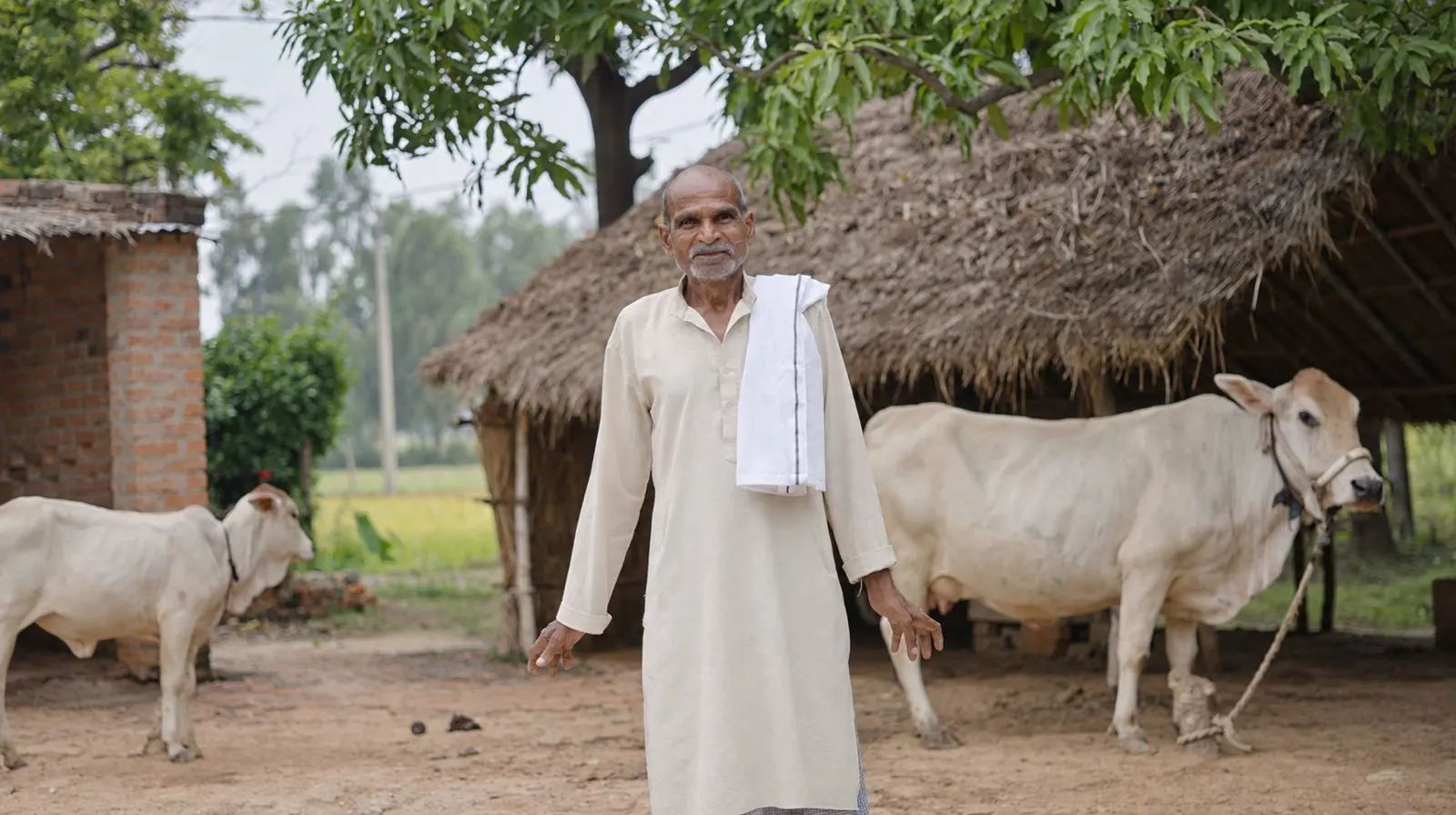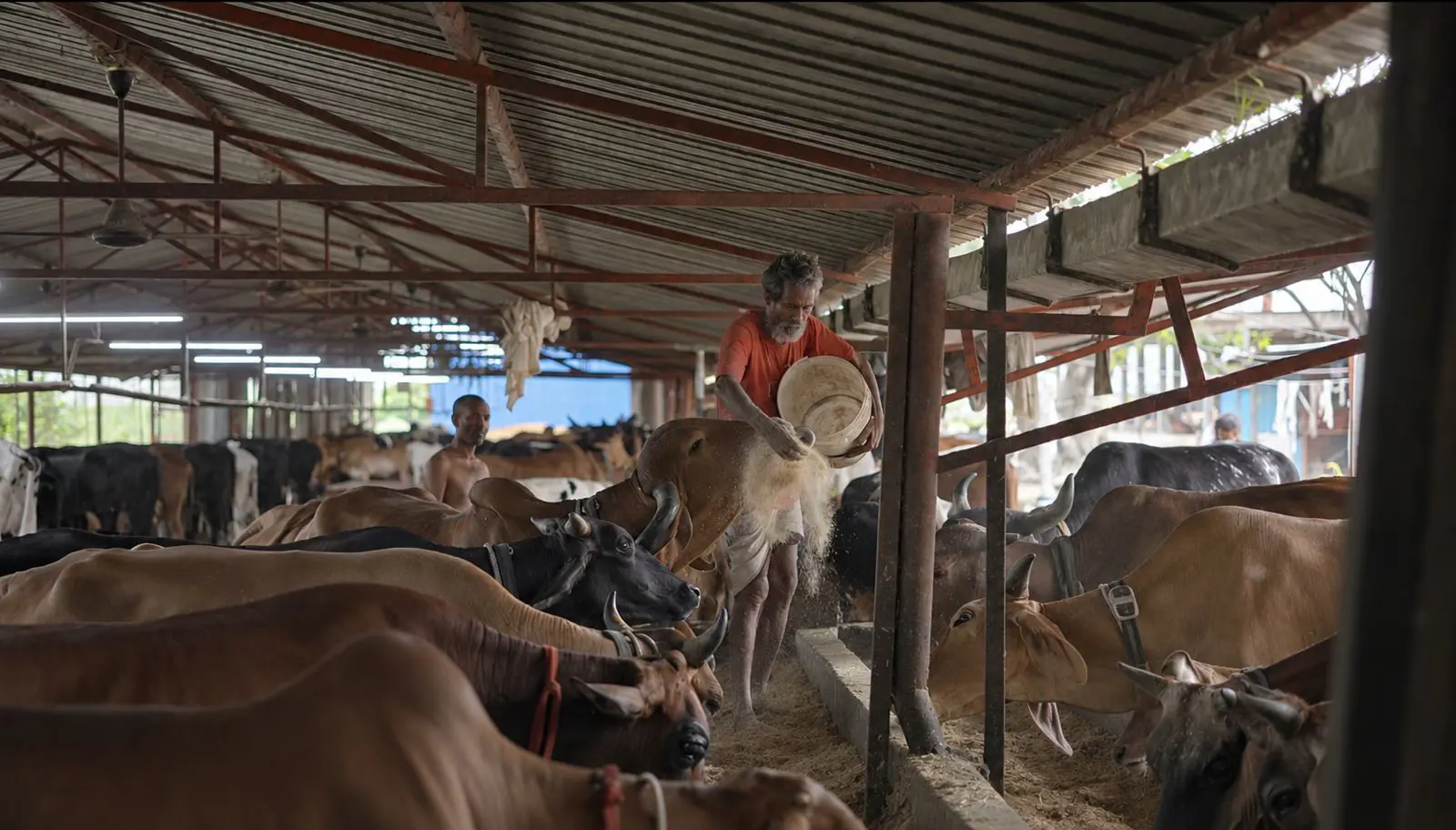

India is the world’s largest milk producer and the state of Uttar Pradesh (UP) is its largest milk producer. Across UP, dairy farming plays a vital role in supporting landless and marginal farmers by providing a regular source of income that is less dependent on land ownership or seasonal cycles.
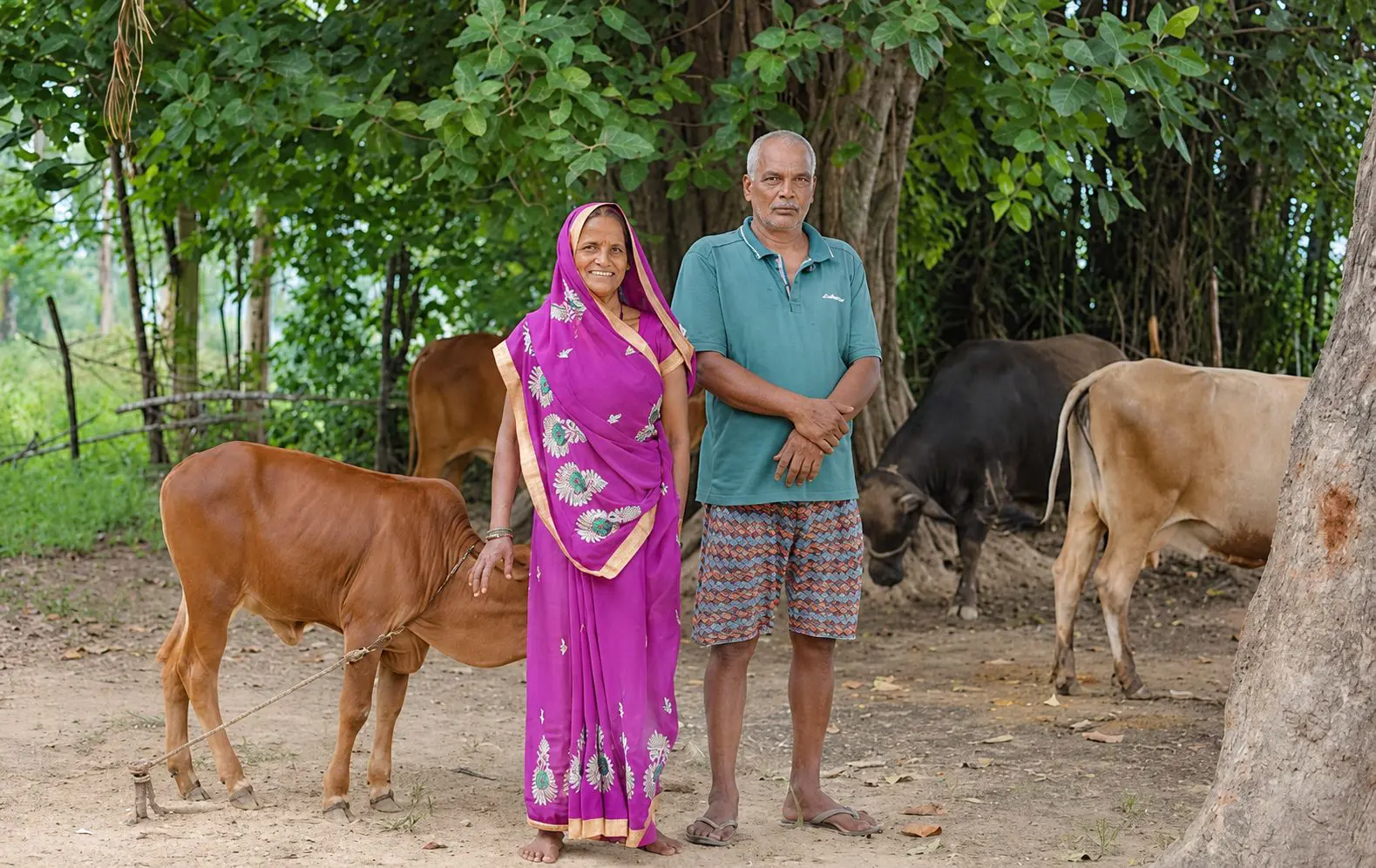
However, the cattle farming landscape in India is complex. Strong societal sensitivities around slaughter of cattle and beef consumption, combined with declining demand for working draught animals, have created limited productive pathways for male progeny. In UP alone, the government invests an estimated £200 million each year in animal shelters to manage stray male cattle, which can otherwise affect crops, traffic, public safety and animal welfare.
That is where Sexed Semen (Sexcel®) can make a meaningful difference. ABS recently signed a landmark agreement with the Government of UP to produce 20 million units of Sexcel® straws over five years, using IntelliGen® semen sexing technology. The agreement is a major step toward helping farmers produce more female calves by choice, while also improving the genetic potential of future dairy animals, as resultant calves will also carry improved genetics selected for stronger performance, helping increase milk production potential over time. For the UP government, fewer unwanted male animals could significantly reduce long-term shelter costs.
To deliver impact at this scale, ABS will build on five years of successful operation of the state’s sexing laboratory, which uses IntelliGen® technology, and expand production through two purpose-built facilities capable of producing ten times the current output. Government subsidies will make Sexcel® more accessible to farmers, with semen available at a nominal cost that includes insemination services.
Beyond production, ABS is investing in education and capability building across UP. Farmer awareness programs will explain the value of Sexcel® in practical terms. Training for artificial insemination technicians will also support better animal selection, enhanced techniques and improved reproductive outcomes.
By enabling the birth of millions of heifers, the project is not only enhancing dairy productivity but also creating sustainable income opportunities for smallholder farmers, thereby improving the socio-economic status of countless rural households. They also demonstrate the essence of Genus’s vision and work: pioneering genetic improvement to sustainably nourish the world.